What is a token in AI? A plain-English guide
A token is the small piece of text an AI reads and writes. Learn how tokens work, why chatbots forget, and how they affect limits and cost.
By Hassan Mamoon · · 5 min read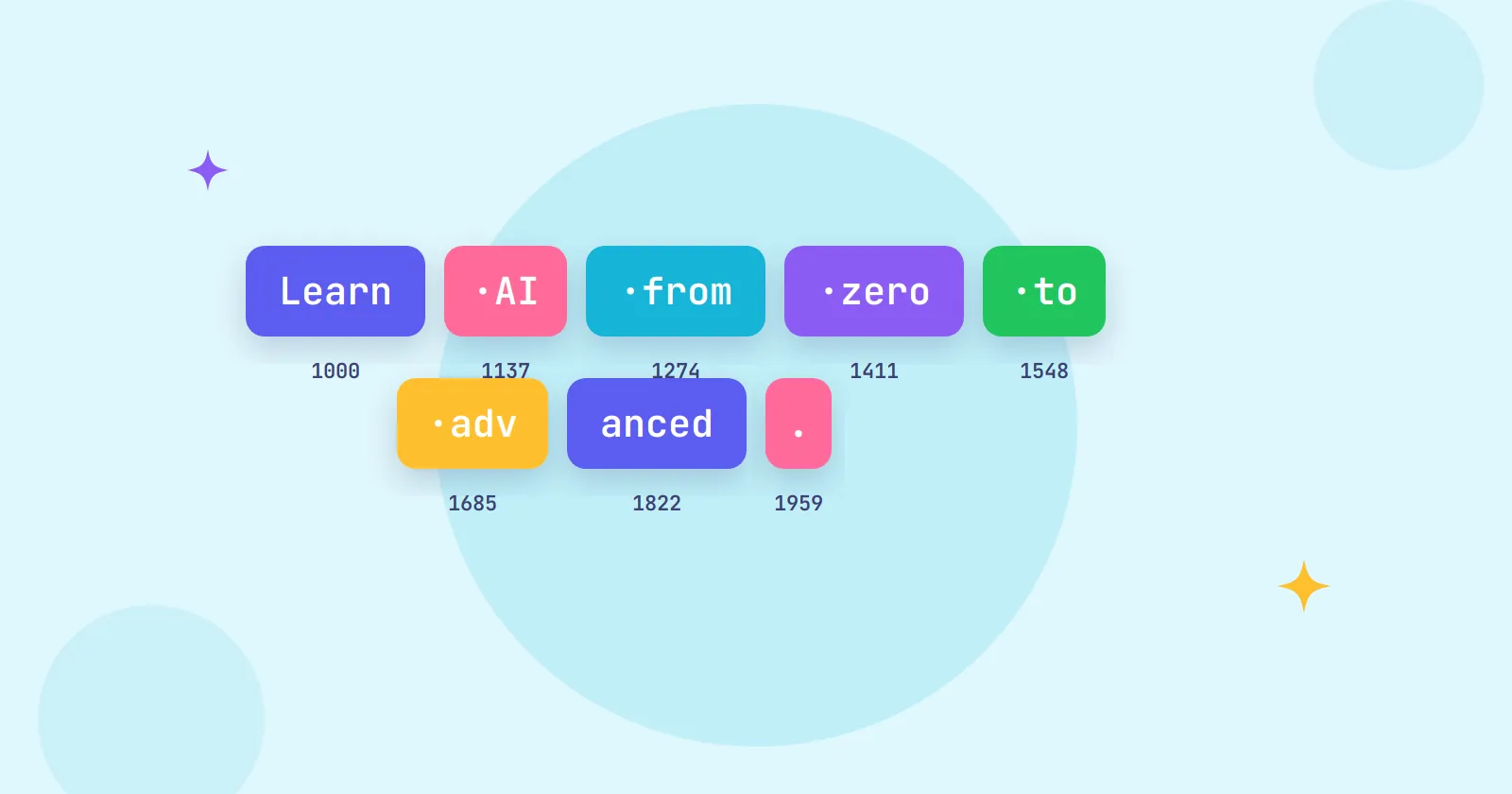
When you type a message into ChatGPT, Claude or Gemini, the AI does not read it the way you do. It first cuts your text into small pieces called tokens. Almost everything about how a chatbot behaves, from how much it can remember to what an API call costs, is measured in tokens. Once you know what they are, a lot of confusing behaviour starts to make sense.
What is a token?
A token is a small piece of text that an AI model reads or writes. It can be a short word, part of a longer word, a number, a punctuation mark or an emoji. For ordinary English text, these rules of thumb are close enough for planning:
- 1 token is about 4 characters
- 1 token is about three quarters of a word
- 100 tokens is about 75 words
A common word such as "cat" is usually a single token. A longer word such as "unbelievable" may be split into two or three pieces, and a rare name or a long number can be split into many. Every model family has its own tokenizer, the part that does the splitting, so the same sentence can give slightly different counts in different chatbots.
Why do AI models use tokens and not words?
A model needs a fixed set of building blocks to work with. If those blocks were whole words, it would struggle with every name, typo, new slang word and word in another language that it had not seen before. With pieces, it can build almost any text, including words it has never met, out of parts it knows. That is why the same system can handle English, code and numbers.
How many tokens is it?
These are approximate figures for plain English. Our Token Counter uses the same rules of thumb.
| Text | Words | Approximate tokens |
|---|---|---|
| A short sentence | 15 | about 20 |
| A paragraph | 100 | about 140 |
| A long email or one page of text | 500 | about 700 |
| A typical blog post | 1,000 | about 1,400 |
| A 20-page report | 10,000 | about 14,000 |
Why tokens matter to you
They set how much the AI can handle at once
Every model has a context window: the most tokens it can consider in one go. Your messages, the AI's replies, any document you paste in and any hidden instructions all share that space. Context windows have grown a great deal and differ from model to model, so check your tool's documentation instead of assuming a number.
They explain why chatbots seem to forget
A chatbot does not remember a conversation the way a person does. In most chat apps, the earlier messages are sent to the model again with each new message. In a very long chat, the oldest messages may no longer fit, and the app may trim or summarise them. Even when everything fits, a model can sometimes overlook details buried in the middle of a very long input.
If a long chat starts to drift, do not fight it. Ask for a summary, then start a fresh chat with that summary at the top:
Summarise our conversation so far in under 200 words. Include the goal, the decisions we have made and anything still open. I will paste your summary into a new chat.
They set what you pay on pay-per-token services
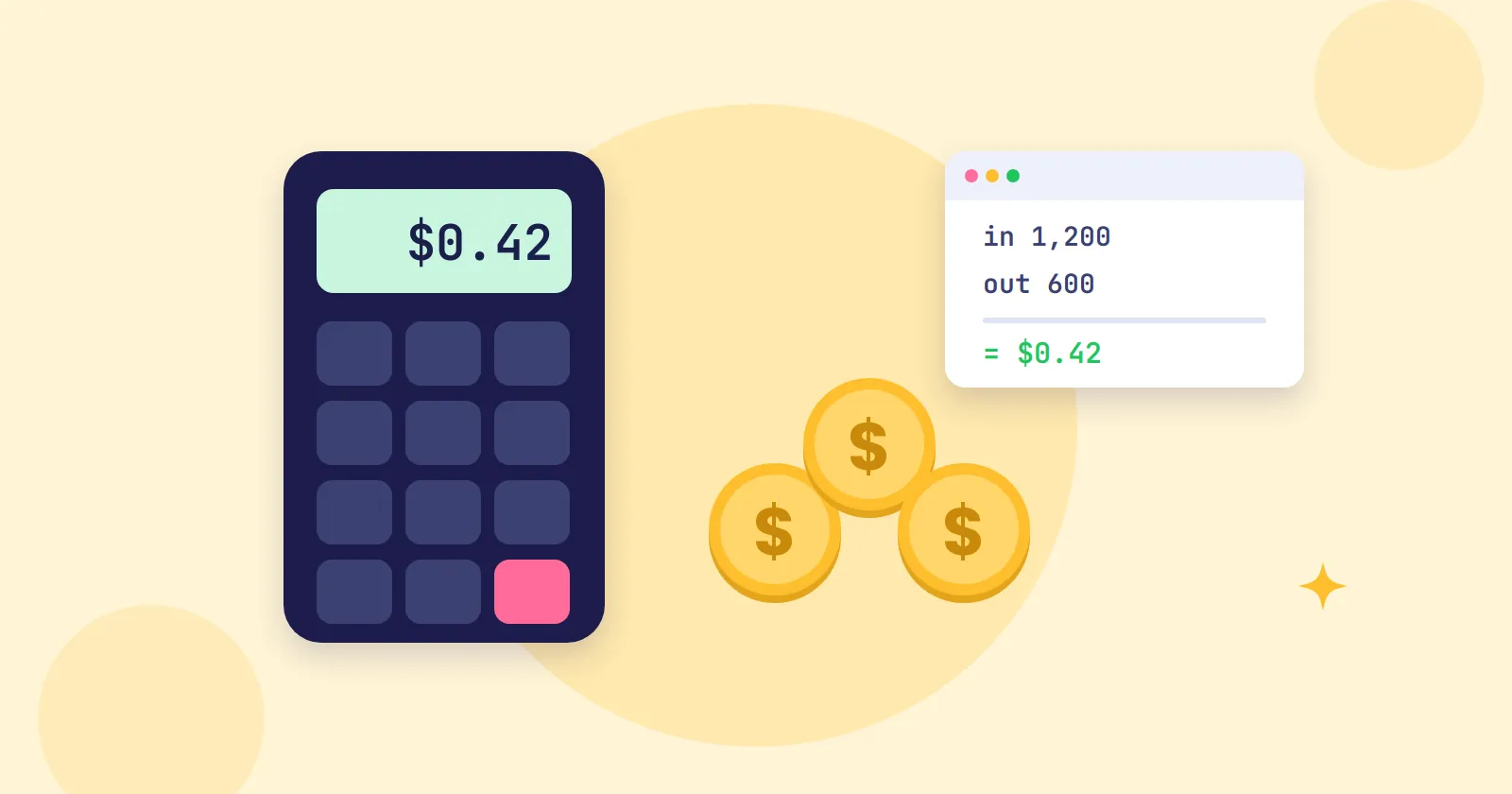
AI APIs charge by the token, with one price for input (what you send) and usually a higher price for output (what the model writes). Chat subscriptions usually charge a flat fee instead and limit your usage, and those limits often depend on how much text you send and receive. Some models also spend tokens on hidden "thinking" before they answer, and that can count toward the output. Our guide to estimating AI API costs shows how to turn tokens into a budget.
Why some text uses more tokens than you expect
The figures above are for plain English. Expect more tokens in these cases:
- Other languages. Many languages need more tokens than English for the same meaning.
- Code. Symbols, indentation and unusual names often split into many small tokens.
- Numbers, emoji and special characters. These tend to use more tokens than ordinary words.
- Pasted formatting. Tables, long web addresses and messy copied text can add more tokens than they seem to.
Questions people ask
Are tokens the same as words?
No. A token is often smaller than a word, and a single word is sometimes several tokens. That is why limits and prices are given in tokens, not words.
Does a longer prompt give a better answer?
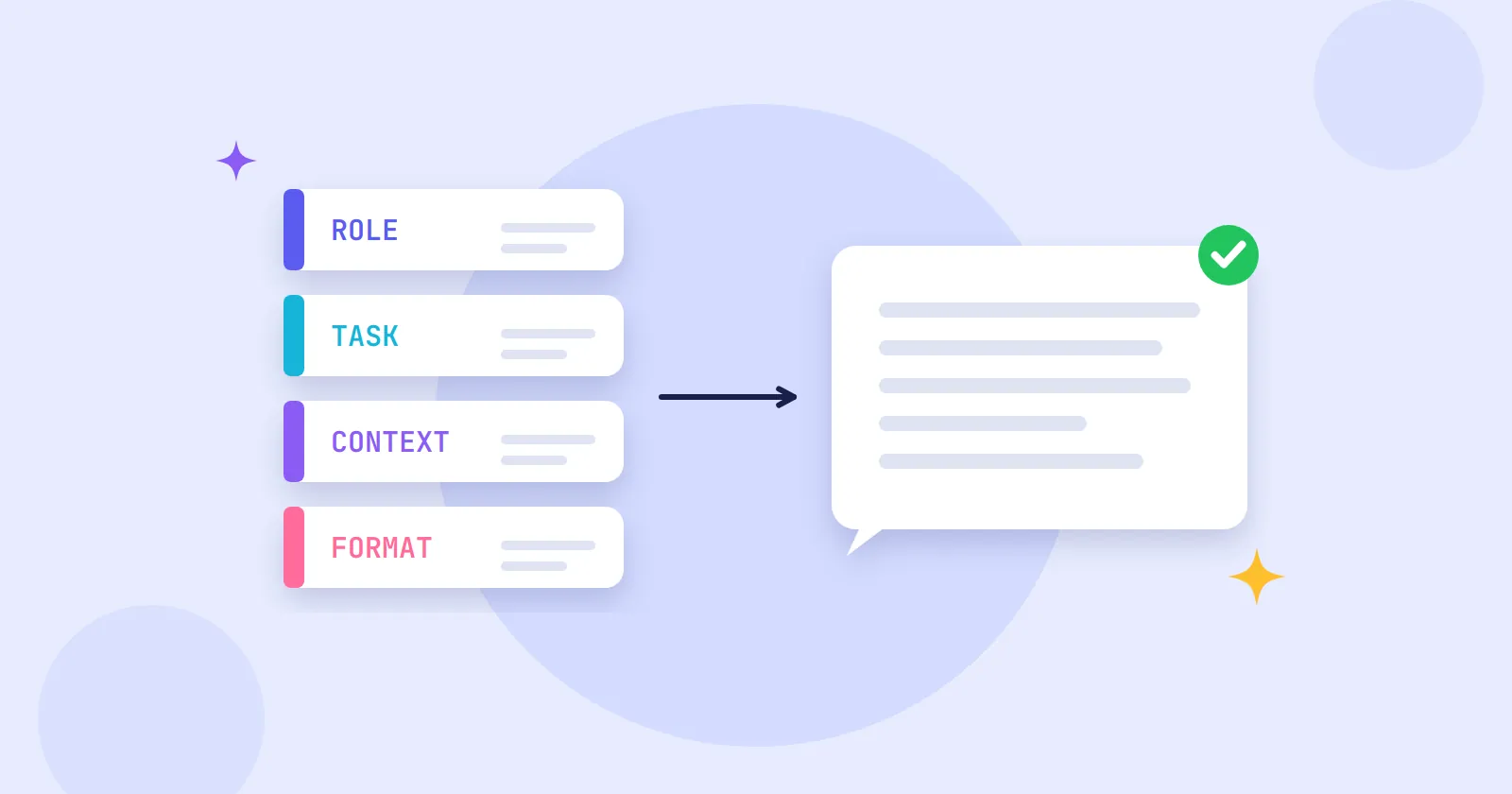
Not by itself. A clear prompt beats a long one. Add the details that help, such as the audience and the format from the 4-part prompt formula, and cut anything that does not.
Is a bigger context window always better?
Not always. More text to process can mean a slower and more expensive request, and the model can still miss details in a very large input. Sending only the relevant part of a document usually works better than pasting all of it.
How can I see the exact token count?
Use your provider's own tokenizer tool, or read the usage figures that most AI APIs return with every response. For a quick estimate before you send something, paste your text into the Token Counter.
Five habits that save tokens
- Trim before you paste. Remove email signatures, repeated quotes and boilerplate the AI does not need.
- Start a new chat for a new topic. Do not pile everything into one very long thread.
- Ask for a length. "Answer in under 150 words" keeps the reply short.
- State instructions once. Repeating them in every message uses tokens and rarely helps.
- Send only the part that matters. If your question is about one section, paste that section.
Check your own text
Paste something you wrote into the free Token Counter to see its length in characters, words and tokens. If the terms are new, the AI Glossary explains related ideas such as context window and LLM (and what a large language model is goes into more depth), and our free AI for Absolute Beginners course explains what chatbots are and how to prompt them.