What is a large language model? A plain-English guide
A large language model is the AI engine behind ChatGPT, Claude and Gemini. Learn how it learns, how it writes an answer and what it cannot do.
By Hassan Mamoon · · 4 min read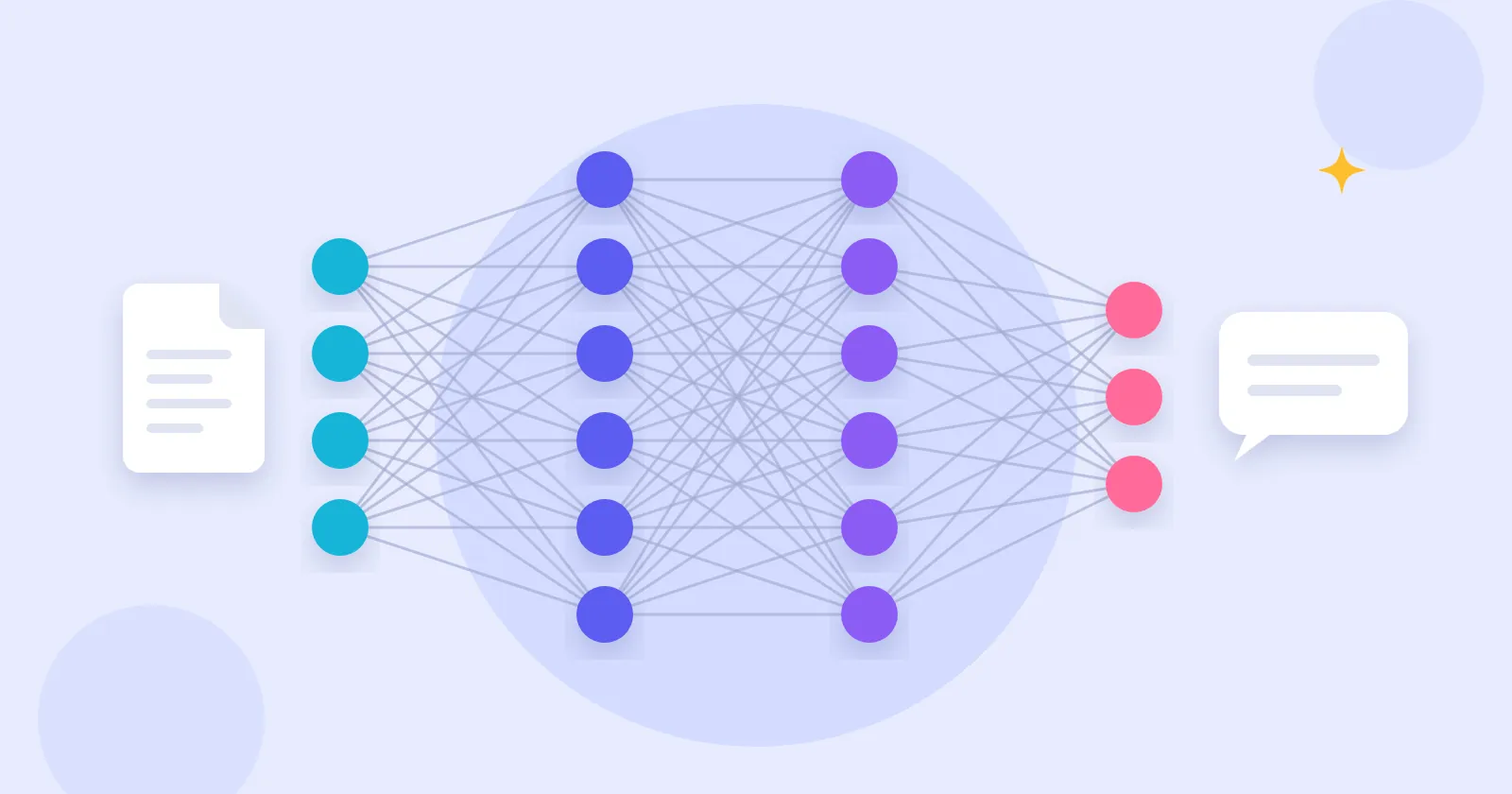
You have probably heard that ChatGPT, Claude and Gemini are "powered by large language models". The phrase sounds technical, but the idea is simple enough to explain without any maths. Understanding it helps you use AI better, because it explains both why these tools are so capable and why they sometimes get things confidently wrong.
What is a large language model?
A large language model, or LLM, is an AI system trained on a very large amount of text so it can understand and produce language. "Large" refers to the amount of text it learned from and the size of the model itself. "Language model" means its job is working with language: answering questions, summarising, translating, writing and explaining.
An LLM is not the same thing as a chatbot. The model is the engine, and the chatbot is the app built around it. ChatGPT, Claude and Gemini are chatbots that each use one or more LLMs. Our AI glossary has short definitions of both.
How an LLM learns
The basic training task is surprisingly simple: given some text, predict what comes next. During training the model reads huge amounts of writing, guesses the next piece of text, checks its guess and adjusts its internal settings, called parameters, so it does better next time. Repeated enough times, this teaches it grammar, facts, writing styles and patterns of reasoning that appear in text.
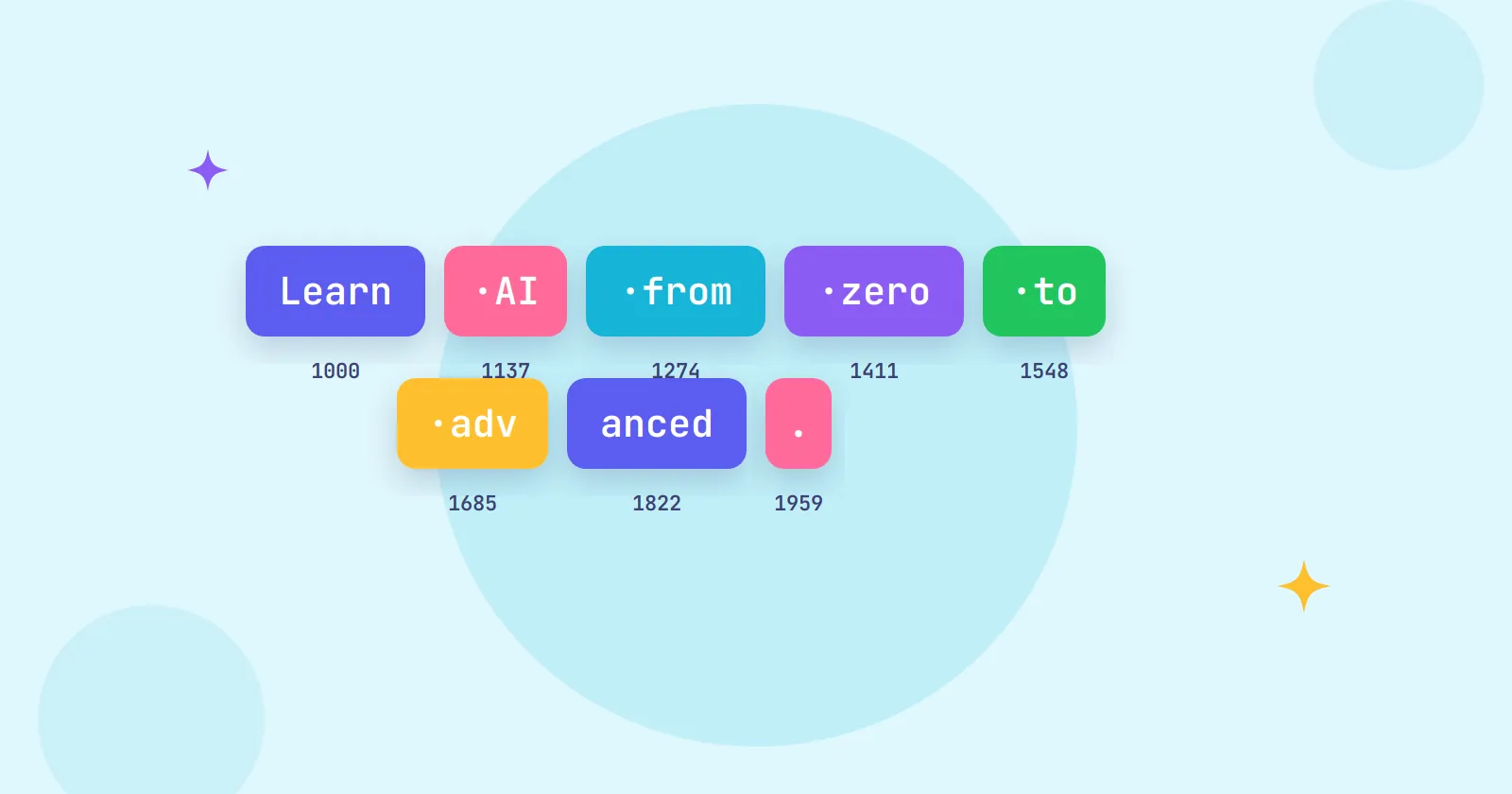
The text is not handled as whole words. It is split into small pieces called tokens, and the model works out how likely each possible next token is. Our guide on what a token is explains why that matters for limits and cost.
After this first stage, companies usually train models further so they follow instructions and give helpful, safer answers. That is why a chatbot answers your question instead of just continuing your sentence.
How it writes an answer
When you send a prompt, the model does the following:
- It splits your text into tokens.
- It works out how likely each possible next token is, given everything so far.
- It picks one, usually with a little controlled randomness.
- It adds that token to the text and repeats, one token at a time, until the answer is finished.
The randomness is why you can ask the same question twice and get different wording. A setting called temperature controls how much.
The transformer, in one paragraph
This is the most technical part of the guide, and you can skip it. If you want the key terms first, see neural network and parameters.
Most modern LLMs are built on an idea called the transformer, introduced in a 2017 research paper titled "Attention Is All You Need", written by researchers who were mostly at Google. Its key trick is attention: for each token, the model weighs how much every other token in the text matters to its meaning. That lets it handle context, such as working out what "it" refers to in a long sentence. You do not need the details to use an LLM well.
What LLMs are good at
- Drafting, rewriting and summarising text
- Explaining ideas at different levels
- Brainstorming and structuring plans
- Translating and changing tone
- Explaining and drafting code
What they are not good at
| Limit | What it means for you |
|---|---|
| No built-in fact-checking | They produce likely text, so they can state false things confidently. See AI hallucinations |
| A knowledge cut-off | They learned from text up to a certain point. Some tools can search the web to fill the gap |
| A limited working memory | The context window caps how much text the model can consider at once |
| Sensitivity to wording | Small changes to a prompt can change the answer. See prompt engineering |
| No access to your private information | Unless you provide it, and then privacy matters. See what not to paste |
Does it "understand"?
People disagree. An LLM has no experiences and does not know things the way you do, but it clearly captures a lot about how language and the world are described. For everyday use, the practical point matters more than the philosophy: treat its output as a strong first draft that you check, not as a source of truth.
Common questions
Is an LLM the same as AI? No. AI is the broad field. LLMs are one kind of AI model, focused on language. Other models work with images, audio or data.
Does it search the internet when I ask a question? Only if the tool has a search feature turned on. Otherwise it answers from what it learned in training and from your conversation.
Are bigger models always better? Not always. Larger models tend to be more capable but cost more and run slower, and a smaller model can be good enough for simple tasks.
Why do different chatbots give different answers? They use different models, trained and tuned in different ways, and every answer involves some randomness.
What to do with this
- Be specific in your prompts, because the model fills any gaps with likely guesses.
- Check facts that matter before you rely on them.
- Keep private data out of chats.
- Practise on real tasks. Our free AI for Absolute Beginners course is a good place to start.