15 ChatGPT prompts for everyday work, study and life
15 copy-ready prompts for emails, meetings, study, money and planning. Each works in ChatGPT, Claude or Gemini, with tips to fit your own task.
By Hassan Mamoon · · 5 min read
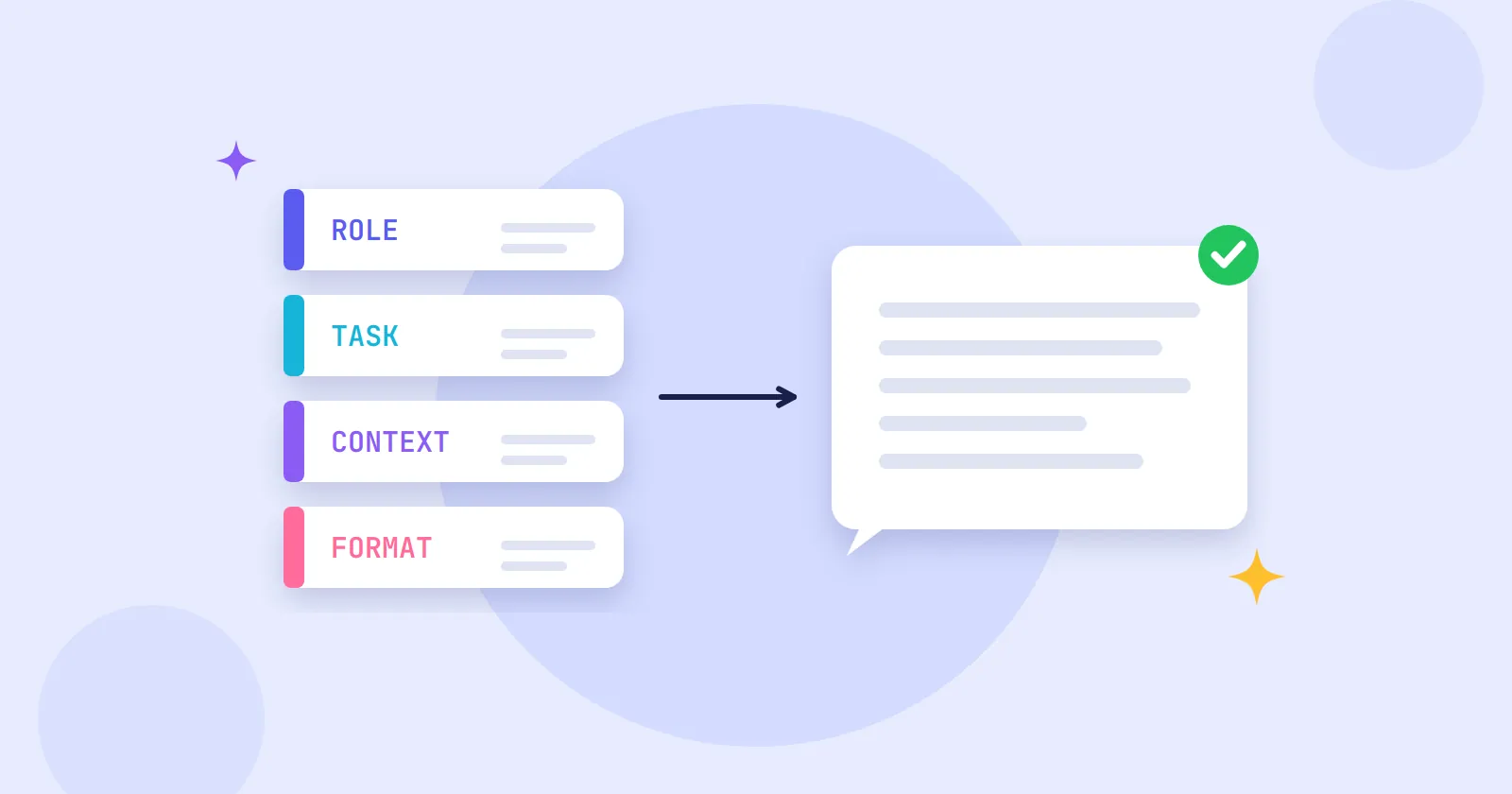
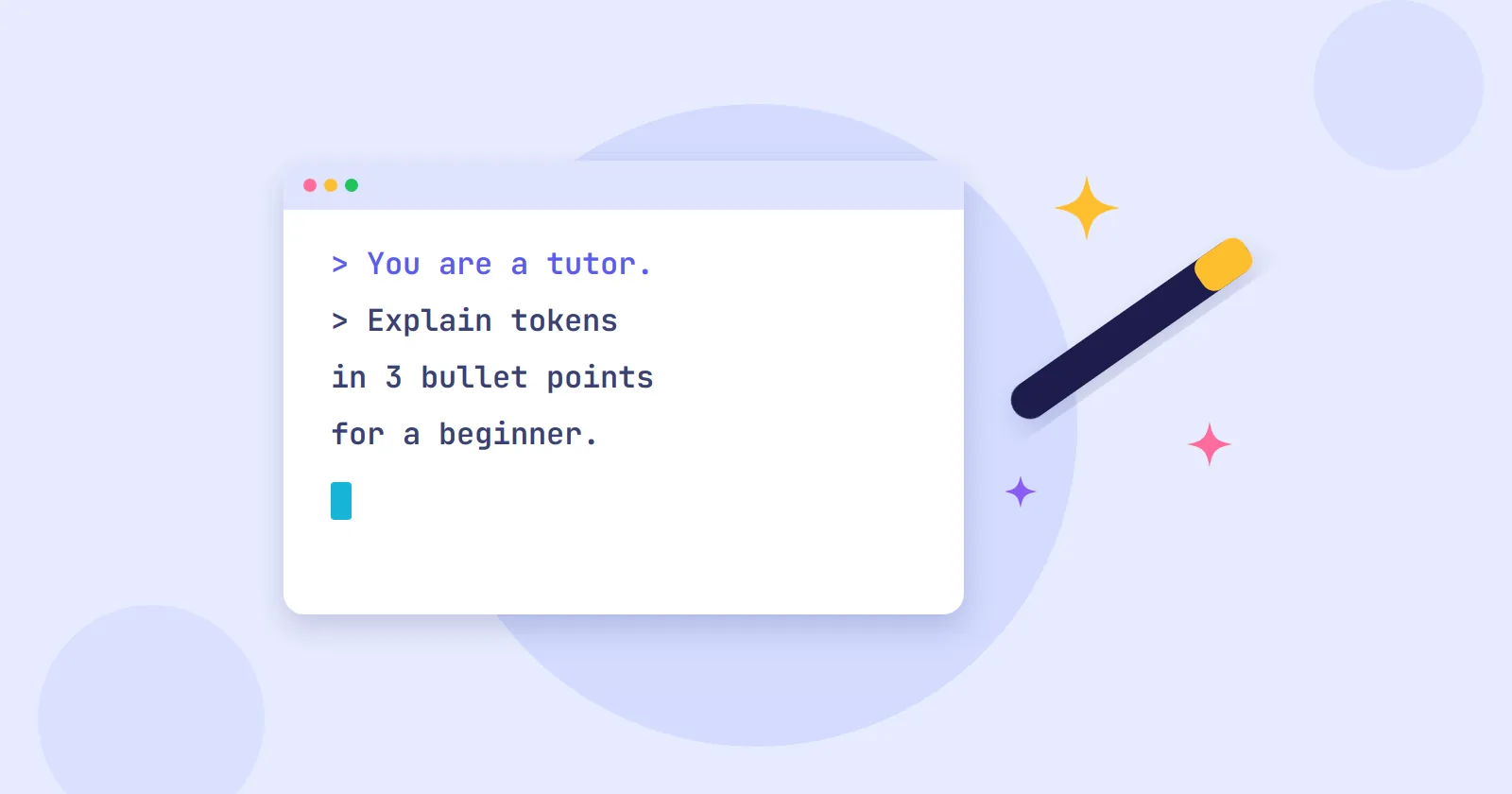
A good prompt is a small template you reuse. Below are 15 you can copy today, grouped by the kind of job they help with. Each one follows the 4-part prompt formula: a role, a task, some context and a format. Replace anything in [square brackets] with your own details, and they work in ChatGPT, Claude, Gemini and other chatbots.
For work
1. A difficult email
You are a calm, clear communicator. Help me write an email to [person] about [problem]. Situation: [2 or 3 facts]. What I want: [outcome]. Keep it under 120 words, polite but direct, and end with one clear next step. Give me two versions: one warmer, one more formal.
2. Messy notes into a status update
You are a project manager who writes short updates. Turn the notes below into a status update with three headings: Done, In progress, Blocked. Use bullet points, keep it under 120 words and put the most important item first.

Notes: [paste notes]
3. Prepare for a meeting
I have a meeting with [who] about [topic]. My goal is [goal]. Give me a short agenda, five questions I should ask and two objections they might raise, with a suggested reply to each.
4. Say no politely
Write a short, friendly message declining [request] from [person]. I want to keep the relationship good. Do not over-apologise, give one honest reason: [reason], and offer this alternative: [alternative].
5. Compare two options
Compare [option A] and [option B] for [my situation]. Show a table with cost, effort, risks and the main benefit of each. Then tell me which one you would choose and what would change your mind.
For study
6. Explain it, then test me
Explain [topic] to me as if I am 14. Use one everyday analogy. Then ask me three questions one at a time, wait for my answer, and tell me what I got right and wrong.
7. Find the gaps in my understanding
I will explain [topic] in my own words. Do not correct me yet. When I finish, list what I got right, what I missed and anything that is wrong, then ask me one follow-up question.
8. Notes into flashcards
Turn the notes below into 15 flashcards. Put a question on one line and a short answer on the next. Only use facts that are in my notes.

Notes: [paste notes]
9. A revision plan
My exam on [subject] is in [number] days. I can study [hours] hours a day and I am weakest at [topics]. Make a day-by-day plan that revisits each topic more than once, with a short self-test at the end of every session.
For money and life
10. A budget-friendly week of meals
Plan 5 dinners for [number] people on a budget of [amount]. Keep them to 30 minutes, use overlapping ingredients and give me one combined shopping list. I do not eat [foods].
11. A firm complaint letter
Write a polite but firm complaint to [company] about [problem]. Facts: [dates, order number, what happened]. What I want: [refund, repair or replacement]. Keep it under 150 words and set a reasonable deadline for a reply.
12. Plan a day trip
Plan a one-day trip to [place] for [who]. We like [interests], we have [budget], and we will travel by [transport]. Give me a timeline with travel times and one backup plan if it rains. Remind me to check opening hours myself.
For your career
13. Practise an interview
Act as an interviewer for a [job title] role at a [type of company]. Ask me one question at a time. After each answer, give me feedback in two lines and a stronger version of my answer. Start now.
14. Sharpen a CV bullet
Rewrite this CV bullet to show impact. Start with a strong verb, keep it under 20 words and keep any numbers I gave. Do not invent results. Bullet: [paste]
15. A 30-day learning plan
I want to learn [skill] in 30 days. I can spend [time] a day and I already know [level]. Give me a weekly plan with one small project per week and a way to check my progress.
How to make any of these better
- Add a real example. Paste one good example of what you want and say "match this style".
- Replace every bracket with a fact. The more specific you are, the less the AI has to guess.
- Reply, do not restart. Say "shorter", "simpler words" or "give me three versions".
- Say what to avoid. "No jargon, no clichés" saves a lot of editing.
- Check anything that matters. Chatbots can state wrong facts confidently, so verify names, numbers and dates (see AI hallucinations).
- Keep private details out. Do not paste passwords, ID numbers or confidential documents.
Three mistakes that make these prompts fail
- Leaving a bracket empty. If you forget to replace [topic] or [who], the AI will guess or ask. Read the prompt once before you send it.
- Asking for too much at once. A prompt that wants an email, a plan and a summary tends to do all three badly. Split big jobs into steps and check each one.
- Skipping the format. Without a length or structure, you often get a wall of text. Every prompt above names one for a reason.
Where to find more
Our Prompt Library has more ready-made prompts you can copy in one click, and the Prompt Improver will turn a rough idea into a structured prompt. To understand why these work, read what is prompt engineering, or take the free AI for Absolute Beginners course. Running a business? See how small businesses can use AI, and for pictures, how to write AI image prompts.